The Silent E: The Little Letter That Makes a Big Difference
- asgurukul15
- Aug 23, 2025
- 5 min read

Updated: Sep 20, 2025
If you’ve been teaching reading for any length of time, you’ve probably seen it: a student confidently reads cap and then completely freezes when they get to cape. Or they sound out hop just fine but then call hope “h-op-e."
That little silent e at the end can feel like magic to us, but for kids it can feel like trickery. And honestly, who can blame them? We tell them to “sound out every letter,” and then suddenly we say, “Oh, but th is letter doesn’t make a sound it just changes the other letter.”
🤔 No wonder they get confused!
Over the years, I ’ve learned that the more variety and hands-on practice we give students, the more confident they become with this tricky rule. That’s why I’ve created a bundle of activities that make silent e practice consistent, engaging, and effective.
Here are some of my favorite ways to teach silent e
Lists for Repeated Practice and Fluency Drills
Word lists are simple, but they pack a big punch. I like to place short vowel words right next to their silent e partners (cap/cape, kit/kite, hop/hope) so kids can actually see the difference. We read down the lis/t together, practice in partners, and even time ourselves for fluency. Students love trying to “beat their time” while I love watching their confidence grow. Word lists also make great warm-ups or homework practice because they’re quick and to the point.

Flashcards & Pocket Cards for Quick Review or Small Group Games
Flashcards are one of my favorite go-to tools because they’re so versatile. In small groups, I flash the card and students read it as fast as they can. In centers, kids can pair up and play memory with short vowel and silent e pairs. Pocket cards are great for take-home practice too parents appreciate having something simple to flip through at home. And sometimes, I’ll use them for a whole-class “silent e speed round” on whiteboards.


Read & Color Pages Where Kids Highlight or Color Words with Silent E
These worksheets feel like fun to students, but they sneak in lots of phonics practice. Kids read the word, then color the picture if it has a silent e. It’s quick, visual, and engaging. I especially like giving these to early finishers or sending them home for homework because they reinforce the skill without adding stress. Plus, they’re easy for me to check at a glance if a student colors the wrong picture, I know we need to revisit that sound.
“Color It, Find It” Activities That Turn Word Hunts into a Fun Challenge
This one is always a class favorite! Students are given a page full of words, and their job is to “hunt” for the ones with a silent e. They highlight or color the correct words, and it feels like a puzzle. Sometimes, I turn it into a game by hiding silent e words around the classroom and letting students go on a scavenger hunt. It’s playful, but it reinforces the concept that silent e makes words look and sound different.

Decode & Fill-in-the-Blank Worksheets for Applying the Rule in Context
This activity helps students move from isolated words into real reading. They get sentences with missing / words and have to decode and fill in the blank with the correct silent e word. It’s amazing how one missing letter can completely change the meaning of a sentence, and kids start to realize how powerful silent e really is. I also love adding a drawing component here students sketch the sentence once it’s complete, which helps with comprehension.

Read & Write Pages to Practice Decoding and Spelling Side by Side
.
Reading and spelling go hand-in-hand, so I like to pair them together. These pages give students the chance to read the silent e word, trace it, and then write it independently. The tracing helps with muscle memory, and the writing shows me whether they truly understand how the silent e changes the word. I often use these as an informal assessment, or send ' them home for extra reinforcement.
Word Searches That Sneak in Extra Silent E Practice (Kids Think It’s a Game!)
Word searches are one of my favorite “Friday fun” activities. Students think they’re just playing a game, but in reality, they’re focusing carefully on the spelling pattern. They have to notice the silent e at the end of the word in order to find it, which means they’re still practicing even if they don’t realize it. I’ll sometimes add a timer for an extra challenge.
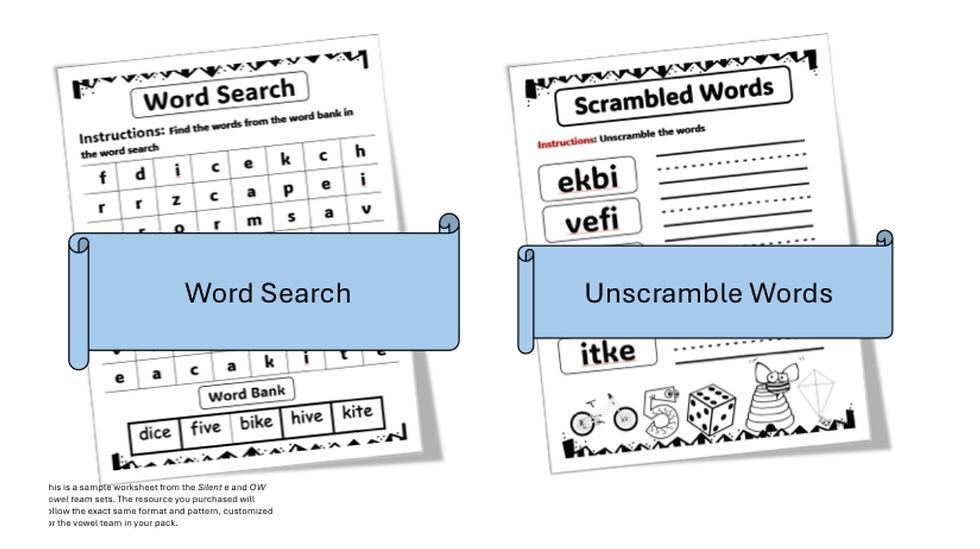
Scrambled Words to Encourage Problem-Solving with the Pattern
Scrambles make kids think critically. They’re given jumbled letters and have to rearrange them into a silent e word. It forces them to slow down, test different combinations, and really focus on the role of the e. I love watching the “lightbulb moment” when they finally solve it. This also works really well as partner work or small group races.
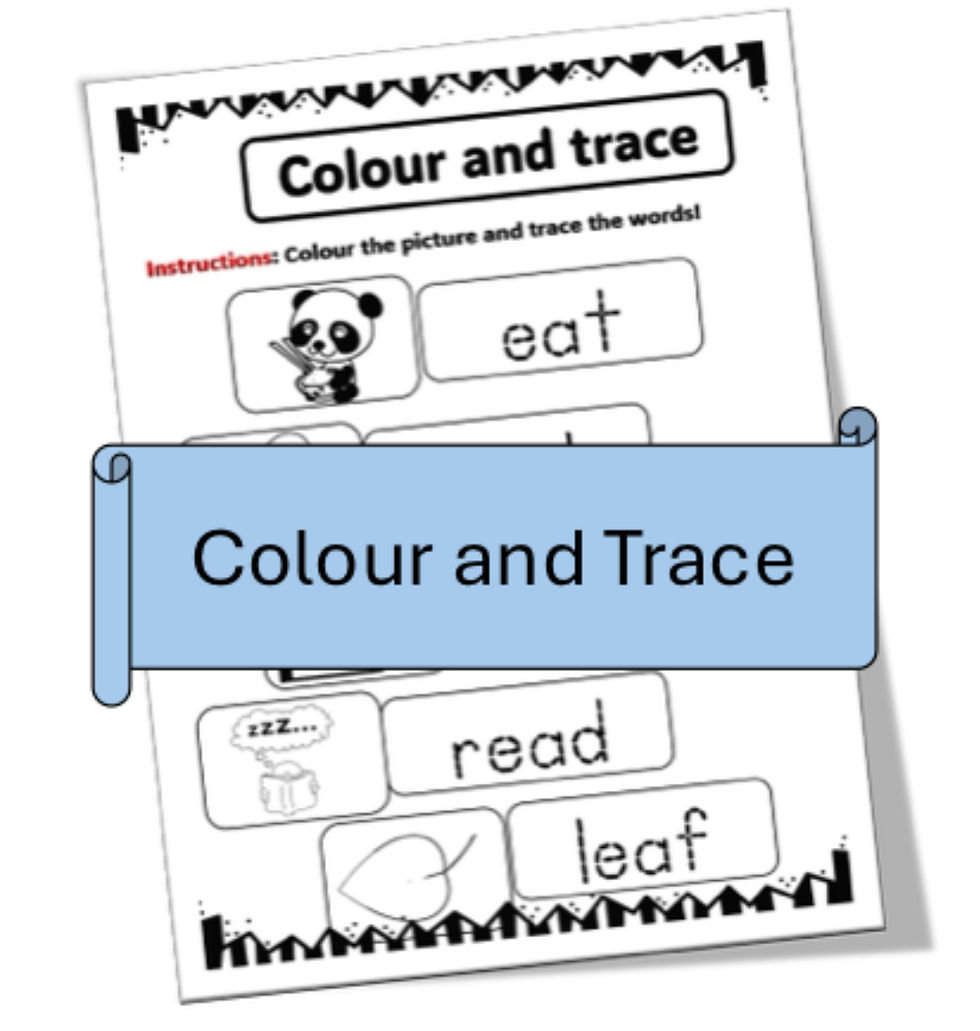
Color & Trace Sheets for Extra Fine Motor + Phonics Practice with Younger Learners
Sometimes the simplest activities are the most effective. These pages let students read the word, trace it, and then color a matching picture. It gives extra support to my younger learners who still need fine motor practice while also reinforcing the silent e concept. I use these during morning work or literacy centers when I want something calm, hands-on, and meaningful.
A Resource That Saves Me Time
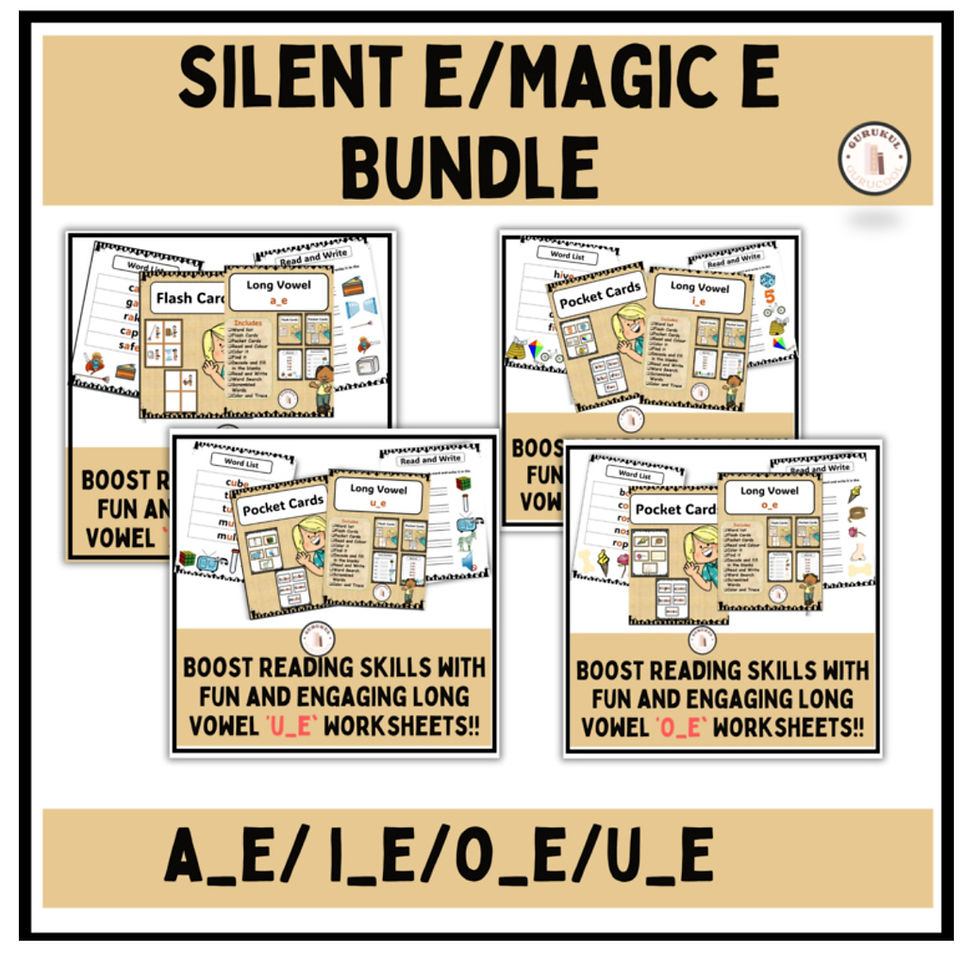
All of these activities are incredibly effective in the classroom but let’s be honest, creating them all from ' scratch takes hours. That’s why I bundled them into my Silent E Activities Pack on TpT. It includes every activity I just described: word lists, flashcards, read & color, decode & fill-in-the-blanks, word searches, scrambles, and more all ready to print and use.
👉 You can grab it here:
.
.
Final Thought
Silent e may be “quiet,” but it’s one of the most powerful reading rules students will ever learn. Once they understand how it works, you’ll see their reading confidence skyrocket. And nothing beats that moment when a student looks at a word they once struggled with, smiles, and says, “I can read this!”
That’s the real magic of silent e.
Explore the Silent E Bundles! ✨
I’ve added some fun and engaging pictures below, each linked to a different Silent E bundle. Simply click on any picture to learn more about that particular set whether it’s activities, worksheets, or teaching resources. Each bundle is designed to make learning Silent E interactive and easy to understand.
Take a look, click, and discover the one that’s perfect for you!
.


"


If you’re passionate about phonics and Science of Reading aligned teaching, make sure to follow my TPT store! That way, you’ll always be the first to know when I release new resources, share exciting freebies, or launch fresh bundles to support your classroom. Don’t miss out on tools that can make your literacy instruction easier and more effective

Love
Anju


Comments